Lower KS2 (Years 3–4)
See exactly how the Year 3 and Year 4 projects combine singing, movement, rhythm, early notation, listening and retrieval across Reggae, Soul, Pop and Hip-Hop influences.
In Kidstrument, KS2 music (Years 3–6) is taught through three terms of six sessions per year (18 per year; 72 sessions across KS2). Each session is built from a bank of short, classroom-ready activities rather than a single long task. Pupils move quickly between singing, movement, rhythm work, notation, listening, improvisation/composition and retrieval.
The journey is deliberately genre-based. Lower KS2 projects (Years 3–4) introduce styles such as Reggae, Soul, Pop and Hip-Hop, focusing on beat, call-and-response, melodic patterns and first stave reading. Upper KS2 projects (Years 5–6) extend into Rock, Funk, Motown, Disco and 1980s Pop, adding more complex rhythms, chords, intervals and scales and more explicit work on improvisation and structure.
From Year 3 upwards, pupils keep meeting familiar activity types – Vocal Warm Up 1–5, style-based dance, Rhythms 1–4, desk drumming, Rainbow Dots, Musical Morse Code, harmony games, Critical Listening, Music Detective, Musical Cabbage, Crosswords, Find the Words, True or False, Match and Order and Workbooks. The interface stays the same; the style, songs and difficulty level grow with the children.
This KS2 map is designed for headteachers, music leads and subject leaders who need the big picture: how Years 3–6 fit together into one coherent, inspectable curriculum that meets and exceeds the national programme of study for Key Stage 2 music.
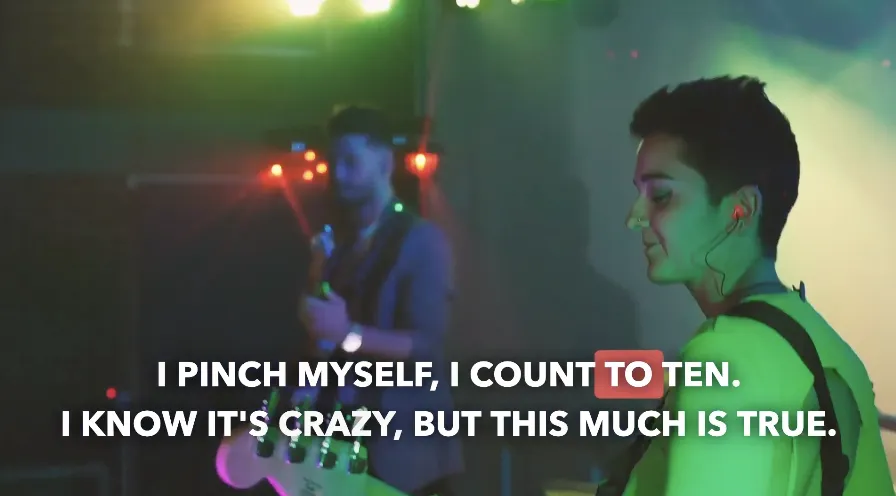
Across KS2, Kidstrument sessions can be delivered as:
Because the curriculum is built from small, focused activities, you can adapt to mixed timetables, split classes or cover arrangements while still showing a clear, sequenced journey from Year 3 to Year 6.
The summaries below show how Lower KS2 (Years 3–4) and Upper KS2 (Years 5–6) fit together. Each phase has its own project songs and styles, but both use the same small, repeatable activity types so children feel confident as expectations rise.
In Years 3 and 4, Kidstrument introduces KS2 expectations through accessible, groove-based projects. Pupils:
By the end of Lower KS2, pupils can keep a steady beat, copy short rhythm and pitch patterns, read simple notation and talk about instruments, dynamics and tempo in age-appropriate language.
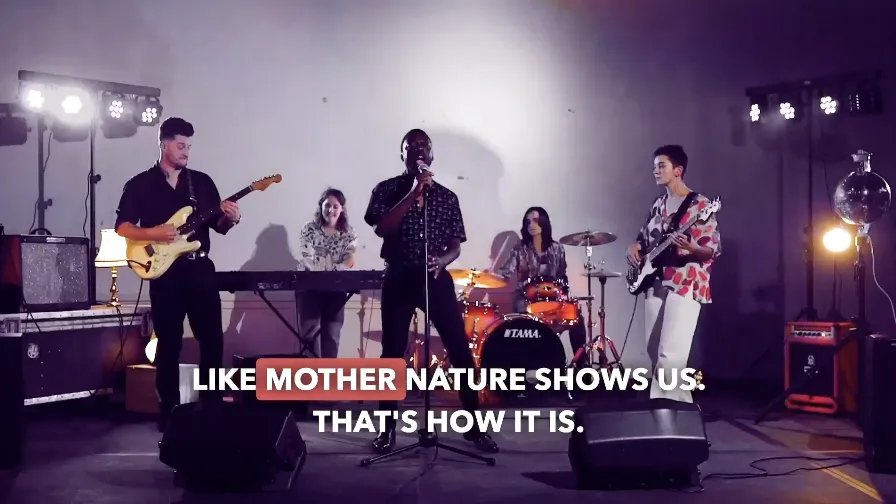
In Years 5 and 6, expectations step up while the activity types stay familiar. Pupils:
By the end of Upper KS2, pupils can read and perform more complex rhythms, recognise and describe scales and intervals, understand chords and styles, and perform confidently in preparation for Key Stage 3.
The table below summarises how the activities mapped into your KS2 grid (Years 3–6) collectively cover the Key Stage 2 music aims to ensure pupils: play and perform, improvise and compose, listen with attention and recall, use and understand notation, appreciate a wide range of music and develop an understanding of the history of music.
This section shows how key strands develop from Year 3 to Year 6 so you can talk confidently about progress over time in curriculum conversations, deep dives and subject reviews.
From simple patterns and beat to full rhythm “engines”.
From first stave patterns to minor pentatonic and interval labels.
From simple layered parts to talking about triads and chord quality.
From naming instruments and dynamics to style comparisons.
Across KS2, a typical lesson uses 9–13 short activities in a familiar order (warm up, dance, rhythm/desk drumming, notation or pitch focus, listening, song performance and retrieval). The content and level change from Year 3 to Year 6, but the structure stays recognisable, making it easy for pupils and staff to see and explain progression.
The KS2 projects already include retrieval and written elements, but you also have access to a wider bank of KS2 extras. These can be dropped into any Year 3, 4, 5 or 6 lesson as quick starters, plenaries, cover lessons or additional evidence of learning.
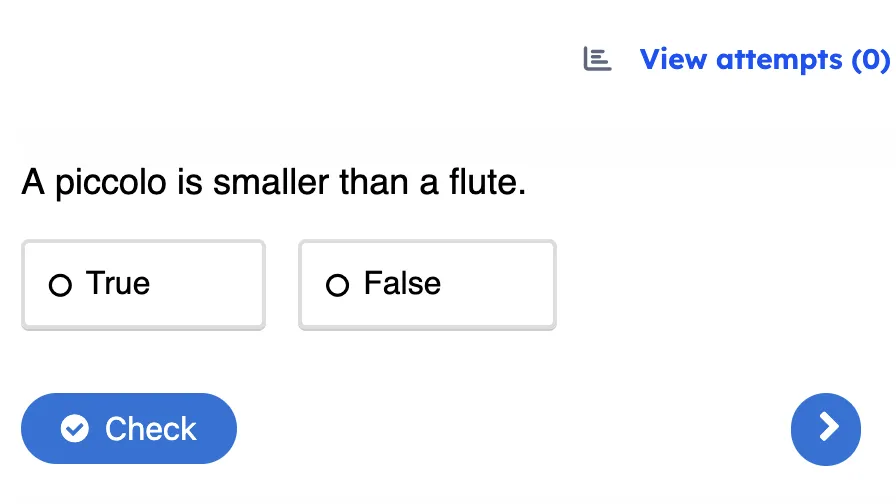
Literacy-friendly retrieval linked to all KS2 projects.
Use Crosswords (General Terms, Tempo, Notation, Dynamics, Instrument Families, Instrument Facts/Parts, Music Genres, Mixed Revision, World Instruments), Find the Words (General, Dynamics, Rhythm, Texture, Tempo, Pitch, Band Instruments, Brass Band, Orchestra, World Instruments) and True or False (General Terms, Dynamics, Tempo, Instruments, Instrument Facts/Families, Stave Basics, Musical Forms, Mixed Revision, World Instruments) to:
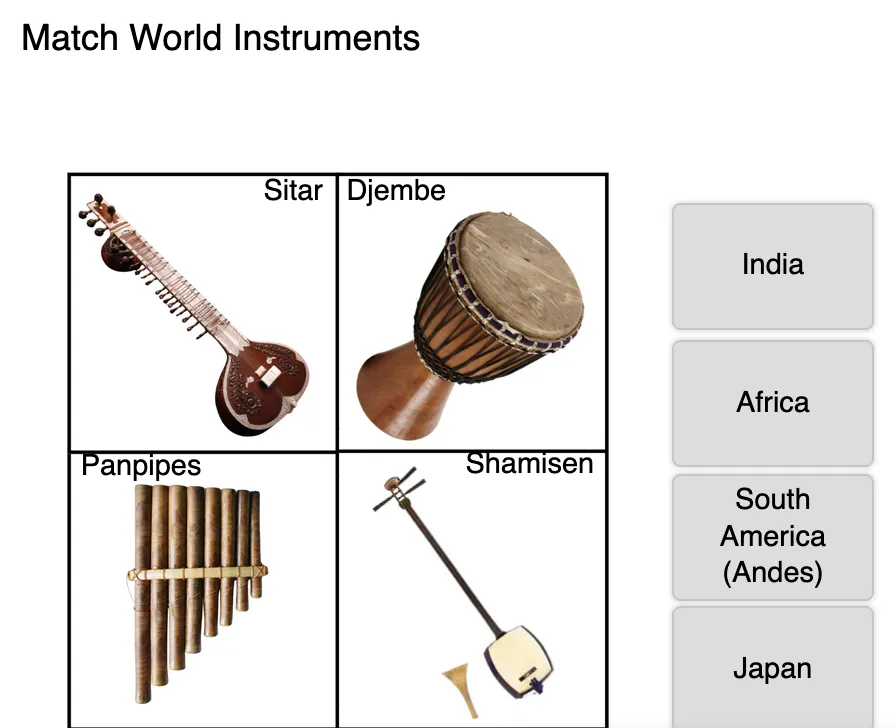
Quick checks on symbols, pitch, tempo, rests and time signatures.
KS2 Match sets (Classroom Percussion Instruments, Clef Names, Dynamics Symbols, Notes on the Piano, Orchestral Families/Instruments, Tempo Words, World Instruments, Symbols and Instruments) and Order tasks (Dynamics soft to loud, Pitches Middle C to High C, Rests by Duration, Tempo slow to fast, Time Signatures) let you:
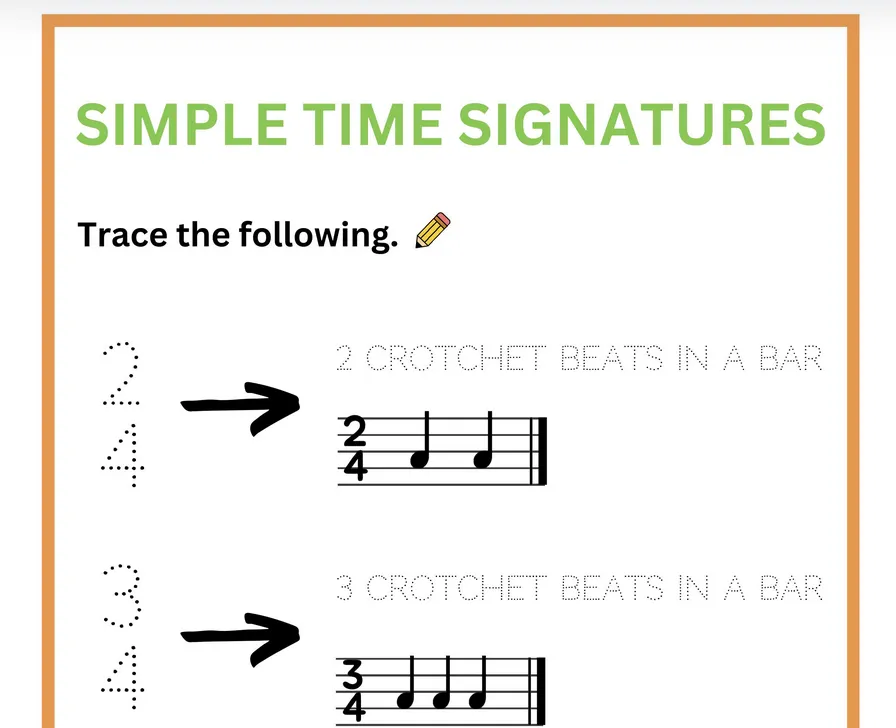
Optional written tasks whenever you need extra evidence.
The KS2 Workbooks collection (Staves, Lines and Spaces; Treble Clef and Bass Clef; Treble/Bass Clef Notes; Notes and Rests; Musical Alphabet and Solfeg; Accidentals; Simple Time Signatures; Music Symbols; Musical Instruments; Great Staff, Treble and Bass Clef; Musical Signs and more) can be used to:
They support – rather than replace – the practical, music-first approach of the KS2 curriculum maps.
This KS2 page gives the overview. For term-by-term detail, use the year-specific and phase maps below.
See exactly how the Year 3 and Year 4 projects combine singing, movement, rhythm, early notation, listening and retrieval across Reggae, Soul, Pop and Hip-Hop influences.
Explore the Rock, Funk, Motown, Disco and 80s Pop projects in detail, including rhythm engines, harmony, intervals and listening sequences that prepare pupils for secondary music.