
How Year 5 music is structured (Rock & Funk)
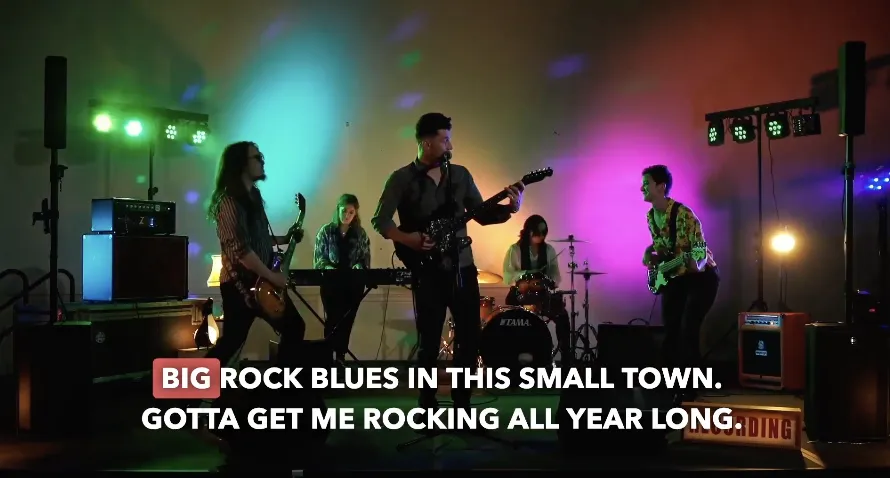
In Kidstrument, Year 5 music is taught through three terms of six sessions (18 in total). The year is deliberately split into two sound worlds: 1960s Rock built around Big Rock Blues in Autumn and Spring, and 1970s Funk built around It Ain’t Easy in Summer.
Each Year 5 lesson typically uses around eleven short, classroom-ready activities. Instead of one long task, pupils move through quick segments that keep revisiting core Upper KS2 skills: warming up, rhythm and note values, staff notation, harmony and chords, listening, desk drumming and performance.
Across Autumn, Spring and Summer, most sessions include:
- Vocal warm-ups & Rock/Funk songs – using Vocal Warm Up 1–5, then singing and performing Big Rock Blues and, later, It Ain’t Easy through music videos, song performances and karaoke tracks.
- Rock and Funk movement – Dance: Rock 1–4, Dance: Funk 1–4 and Dance: Rhythmic Pyramid for feeling back-beat, off-beat and syncopation in the body.
- Rhythm, note values & desk drumming – “Learn: Rhythms 1–4”, note and rest lessons (semibreve, minim, crotchet, quaver and semiquaver), Weekly Drum Routine 5–6 , Musical Morse Code Level 2 and Shape Shifters (note duration, clapping, stomp and tap).
- Notation & pitch – through Rainbow Dots 5–9 , Skies and Valleys 7–10 and What’s the Pitch?, linking stave patterns to real melodies.
- Harmony & chords – Harmony: “What is a Chord?”, “What are Major and Minor Chords?”, singing C major/minor triads, Quickfire Chords , Harmony: Major or Minor? Variations #1–13 and Musical Cabbage note-name games.
- Listening & artists – Critical Listening and Music Detective for Rock and Funk, plus short “Learn” clips on Rock and Funk artists including Credence Clearwater Revival, Tina Turner, Led Zeppelin, Jimi Hendrix, James Brown, Ray Charles, Tower of Power, Chaka Khan and Diana Ross.
Together, the Rock half of the year (Big Rock Blues) and the Funk half (It Ain’t Easy) give you a complete Upper KS2 offer that deepens rhythm, harmony, notation and ensemble skills ready for Year 6 and beyond.
Weekly lessons or shorter “bursts”
Across the school, Kidstrument sessions can be delivered as:
- Traditional lessons (for example, one 30–45 minute slot per week), or
- De-linearised “bursts” across the timetable — a song before registration, a listening game after break, a short movement or vocabulary task later in the day.
Because the curriculum is built from small, focused activities, it adapts to the reality of primary timetables while still giving you a coherent learning journey to show inspectors.
What happens across the 18 Year 5 music sessions?
This overview is for headteachers, music leads and subject leaders who want to see the big picture of the Year 5 music curriculum. It summarises how often each strand is revisited and how it develops from Autumn Rock to Summer Funk, so it’s clear how pupils make progress through Big Rock Blues and It Ain’t Easy.
Each of the 18 sessions blends around eleven short activities drawn from a wider bank (vocal warm-ups, Rock/Funk dance, Rhythms 1–4, note-value lessons, desk drumming, Rainbow Dots, Musical Morse Code, harmony games, listening and retrieval). The activity types stay familiar so lessons are easy to run, while the Rock and Funk content, artists, rhythm patterns and harmony work gradually step up in challenge.

-

Vocal warm-ups, Rock/Funk dance & class songs
Every lesson begins with the groove and ends with a song.
Across all 18 sessions, pupils regularly meet:
- Vocal Warm Up 1–5 – short studio starters to focus breath, pitch and projection before Rock or Funk singing.
- Dance: Rock 1–4 and Dance: Funk 1–4, plus Dance: Rhythmic Pyramid 1–4 – whole-body routines that make back-beat and syncopation physical.
- Watch: Rock Music Video and Watch: Funk Music Video, then Perform: Rock, Perform: Rock (Karaoke), Perform: Funk Song and Perform: Funk (Karaoke), so pupils move from supported performance to more independent singing.
By the end of the year, pupils know Big Rock Blues and It Ain’t Easy inside out and can perform with confidence, movement and basic stage presence.
-
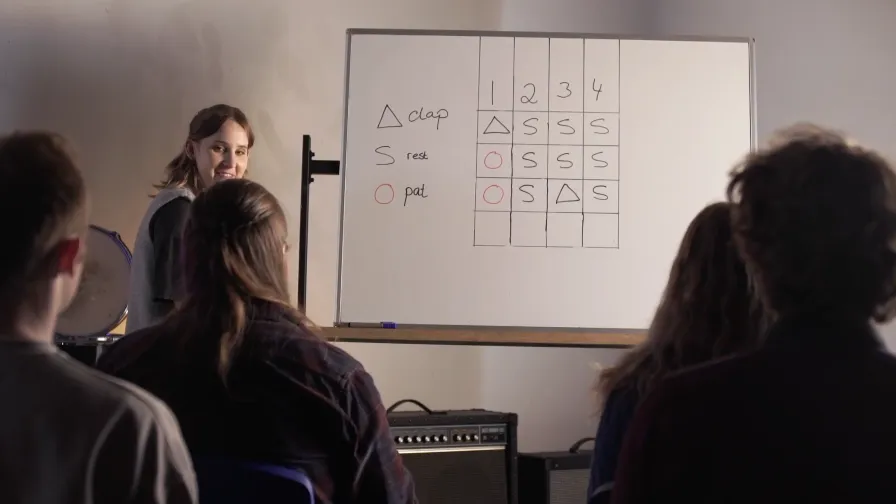
Rhythms, note values & Weekly Drum Routine
From labelling note values to playing tight Funk grooves.
Year 5 makes rhythm and note values explicit so pupils can tackle more demanding music:
- Learn: Rhythms 1 and 2 in Rock, then Rhythms 3 and 4 in Funk – moving from straightforward beats to syncopated patterns.
- Semibreve, Minim, Crotchet, Quaver and Semiquaver and their rests – note-value lessons that name durations pupils have met since KS1.
- Weekly Drum Routine 5–6 – desk-drumming patterns that demand control, stamina and accurate subdivision.
- Musical Morse Code Level 2 (Codes A–H) – encoding and decoding Rock and Funk rhythms at speed.
- Shape Shifters 3–5 and Roars and Whispers: Dynamics – joining note duration, dynamics and movement.
By revisiting these tasks from Autumn to Summer, pupils move from simply copying rhythms to thinking like drummers – counting, subdividing and placing notes accurately within the beat.
-
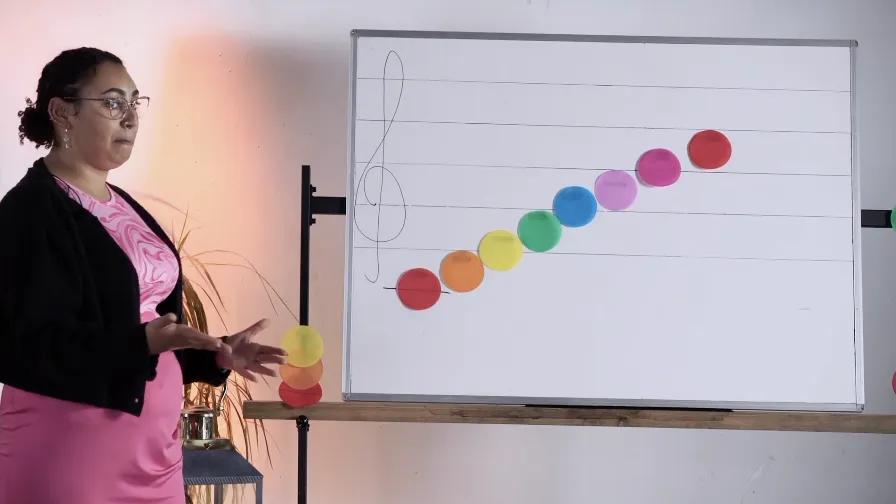
Rainbow Dots 5–9, Skies & What’s the Pitch?
Connecting stave patterns to real Rock and Funk melodies.
Notation in Year 5 is about fluency and relevance:
- Rainbow Dots 5 (entire), then Rainbow Dots 6, 7, 8 and 9 – gradually extending the note range and rhythmic complexity that pupils read.
- Skies and Valleys 7–10 – aural pitch games that help pupils connect what they see on the stave to what they hear and sing.
- What’s the Pitch 1 – asking pupils to identify and describe pitch movements linked to Funk patterns.
- Learn: Parts of Notes – stems, beams and flags, clarifying how notes are drawn when rhythms become more complex.
Because Rainbow Dots and pitch games appear throughout Rock and Funk units, notation becomes part of everyday music-making rather than a separate theory slot.
-
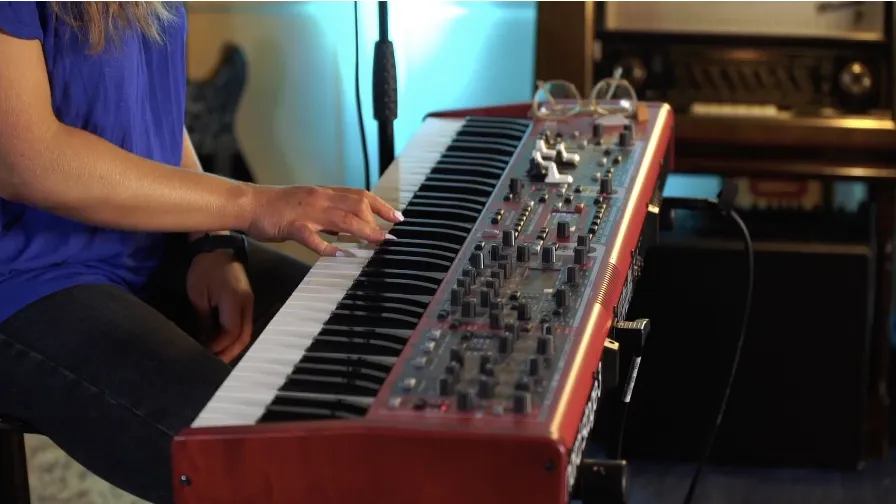
Harmony, triads & chord recognition
Hearing how chords shape Big Rock Blues and It Ain’t Easy.
Year 5 has a strong harmony strand:
- Harmony: What is a Chord? and Harmony: What are Major and Minor Chords? – introducing triads and chord quality in clear language.
- Harmony: Sing C Major Triad and Harmony: Sing C Minor Triad – using voices to feel chord shapes.
- Harmony: Major or Minor? Variations #1–13 – aural discrimination practice spread across Rock and Funk terms.
- Quickfire Chords Variations #1–6 – quick decision-making about chord quality.
- Musical Cabbage – Variations #1–9 – game-style retrieval of note names and reading to support harmonic work.
By the end of Year 5, pupils can talk about and recognise major/minor chords by ear, connecting what they hear in Rock and Funk recordings to the chords they see on screen.
-
Listening, artists, vocab & retrieval
From “Who is Jimi Hendrix?” to quick-fire True or False.
Throughout Year 5, listening, history and retrieval keep knowledge sticky:
- Critical Listening: Rock and Music Detective: Rock 1–5 – spotting instruments, riffs, rhythms and changes in dynamics in Rock tracks.
- Critical Listening: Funk and Music Detective: Funk 1–2 – zooming in on Funk rhythm sections and syncopated grooves.
- Artist clips such as Who are Credence Clearwater Revival?, Who is Tina Turner?, Who are Led Zeppelin?, Who is Jimi Hendrix?, Who is James Brown?, Who is Ray Charles?, Who are Tower of Power?, Who is Chaka Khan? and Who is Diana Ross?.
- Extra retrieval (Crosswords, Find the Words, True or False, Matching and Order activities) for general terms, dynamics, tempo, rhythm, stave basics, instrument families and world instruments.
This strand ensures that, alongside performing Big Rock Blues and It Ain’t Easy, pupils can describe what they hear and use specialist vocabulary with confidence.
Across the 18 sessions, a typical Year 5 Rock/Funk lesson uses around
eleven short activities in this kind of order:
1) Vocal Warm Up (1–5)
2) Dance: Rock / Funk
3) Dance: Rhythmic Pyramid or short movement recap
4) Learn: style or artist focus (e.g. What is Rock? / What is Funk? / Who is James Brown?)
5) Learn: rhythm or note-value focus (Rhythms 1–4; Semibreves to Semiquavers and rests)
6) Skies and Valleys or What’s the Pitch? for pitch/interval awareness
7) Weekly Drum Routine 5–6 and/or Musical Morse Code Level 2 for groove and decoding
8) Rainbow Dots 5–9 or a harmony/chord challenge (triads, Quickfire Chords, Major or Minor?)
9) Dynamics or duration game such as Shape Shifters or Roars and Whispers
10) Perform: Big Rock Blues or It Ain’t Easy (song / karaoke)
11) Quick retrieval: Musical Cabbage, crossword, Find the Words, True or False or a
short workbook task.
This gives you a clearly sequenced, inspectable pathway through rhythm, note values, notation, harmony,
listening and performance at Upper KS2.
Extra KS2 tools available to Year 5
These KS2 music activities are not tied to a single session in the map. They are available throughout the year as quick, repeatable tasks you can drop into Rock or Funk lessons, assemblies or short “bursts” of music time to support the Year 5 music curriculum.
-
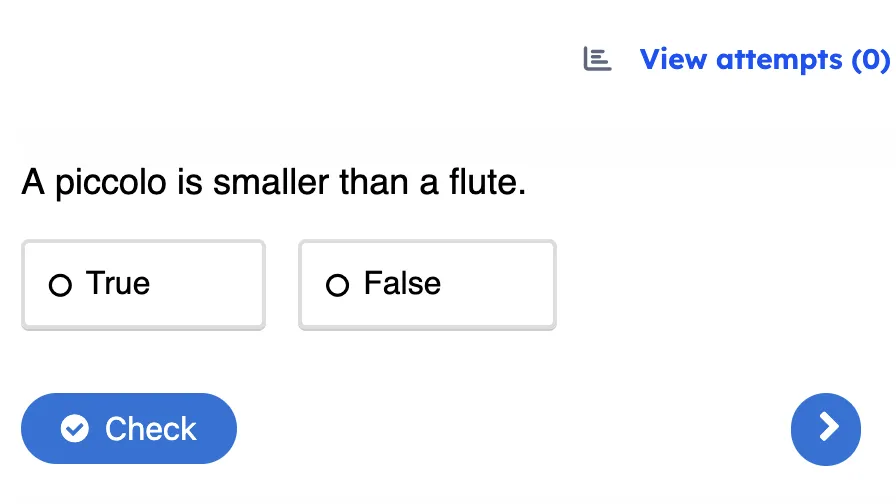
Crosswords, Find the Words & True or False
Literacy-friendly retrieval for Rock and Funk concepts.
Crosswords (General Music Terms, Tempo, Notation, Dynamics, Instrument Families, Instrument Facts/Parts, Music Genres, Mixed Revision, World Instruments), Find the Words (General, Dynamics, Rhythm, Texture, Tempo, Pitch, Band Instruments, Brass Band, Orchestra, World Instruments) and True or False (General terms, Dynamics, Tempo, Instruments, Instrument Facts/Families, Mixed Revision, Stave Basics, Musical Forms, World Instruments) give you:
- Low-prep starters and plenaries linked to Year 5 language.
- Cover-lesson and homework options that still connect to Rock and Funk learning.
- Evidence of vocabulary and concept retention for subject reviews or inspection.
-
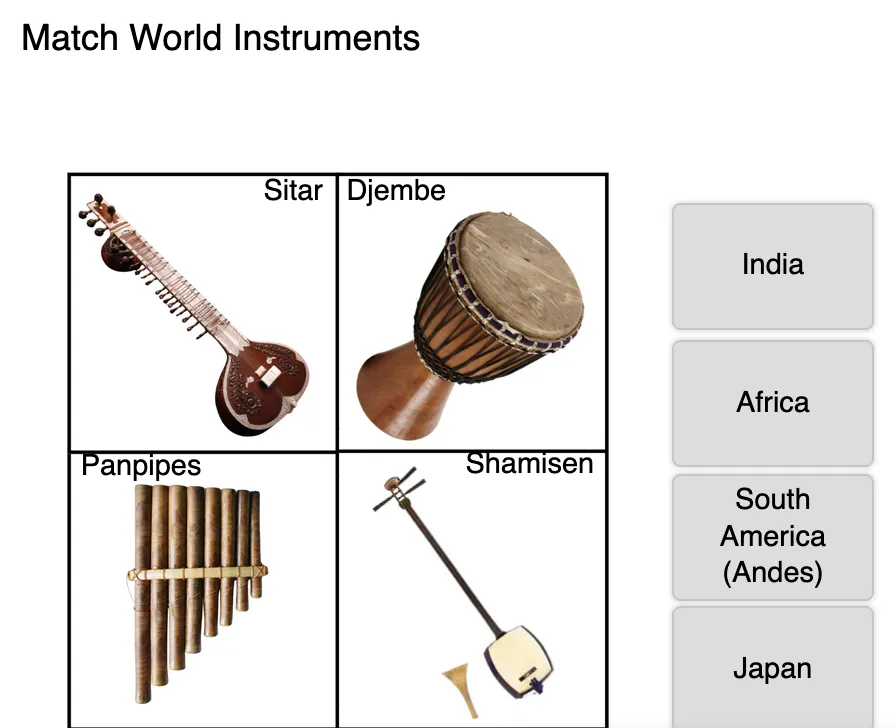
Match & Order activities
Quick-fire checks on symbols, pitch, tempo and time signatures.
KS2 Match sets (Classroom Percussion Instruments, Clef Names, Dynamics Symbols, Notes on the Piano, Orchestral Families/Instruments, Tempo Words, World Instruments, Symbols and Instruments) and Order tasks (Dynamics soft to loud, Pitches Middle C to High C, Rests by Duration, Tempo slow to fast, Time Signatures) let you:
- Reinforce theory that underpins Year 5 Rock and Funk rhythms.
- Spot misconceptions quickly (for example, about note length or tempo terms).
- Provide short, game-like challenges that fit into 5–10-minute slots.
-
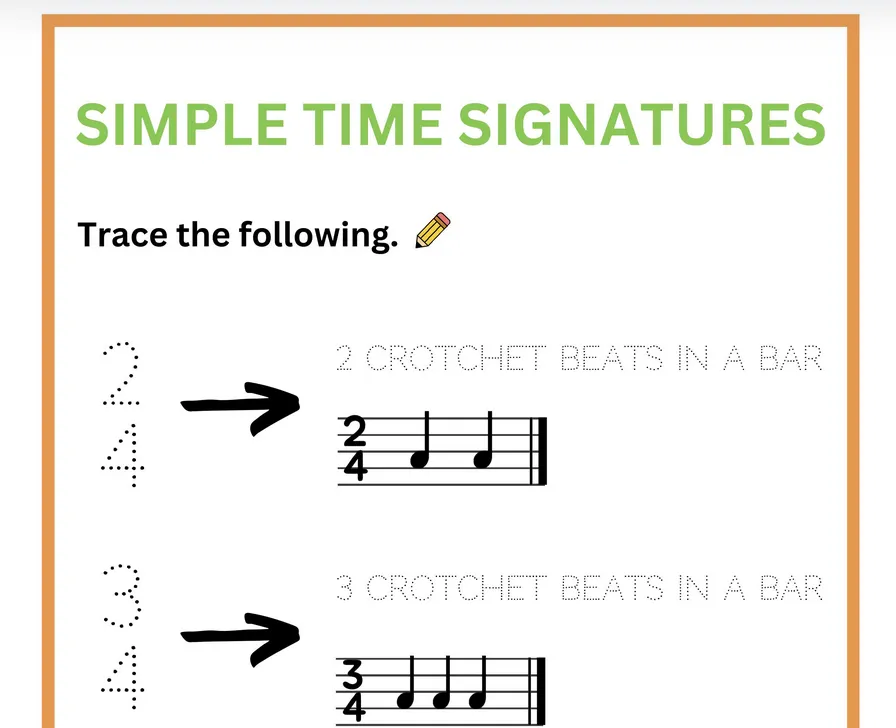
Workbooks & written evidence
Optional written tasks when pupils are ready.
Workbooks such as Staves, Lines and Spaces; Treble Clef and Bass Clef; Treble/Bass Clef Notes; Notes and Rests; Musical Alphabet and Solfeg; Accidentals; Simple Time Signatures; Music Symbols; Musical Instruments; Lines and Spaces; Great Staff, Treble and Bass Clef; Musical Alphabet and Musical Signs give you printed ways to:
- Model notation and rhythm on the board, then let pupils try small written tasks.
- Capture evidence for moderation and subject deep dives without changing your pedagogy.
- Offer extension and homework tasks that connect directly to the Rock and Funk strands in Year 5.
They are there when you want them, not a checklist that every child must complete every lesson.