
Same 12 sessions, more independence
The Reception route uses the same 12 mapped sessions as Nursery: Learn clips, Hear the Difference games, Musical Detectives discussions, core Sing activities and optional extras like Find the Words, Instrument Flashcards, Hotspots and Memory Games.
Because the children have seen these formats before, you can ask more of them: keeping the pulse without adult clapping the whole time, suggesting their own words to describe sounds, remembering song structure and taking turns to lead actions or start a verse.
The aim is not to rush them on to formal theory, but to let them revisit early musical ideas with greater control, confidence and language — giving a secure bridge into Year 1 music.
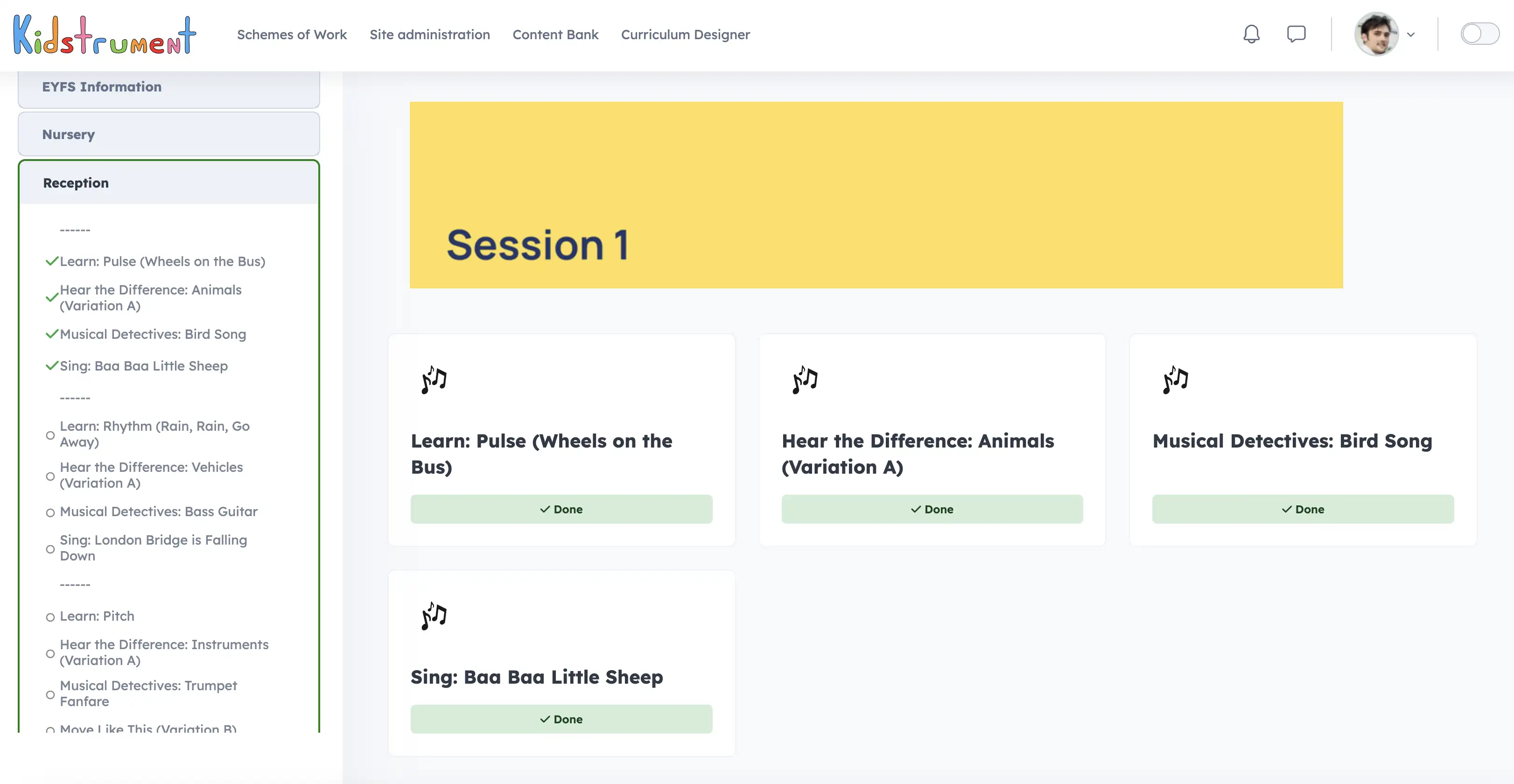
Weekly lesson, daily “bursts”, or both
In Reception, you can keep using the sessions as:
- One weekly music lesson (for example 30 minutes with carpet time and movement), and/or
- Short “music bursts” threaded through the day — a song for lining up, a listening task after lunch, a quick vocabulary or flashcard game before home-time.
Because children already know the activity types from Nursery, they can take more responsibility: leading actions, suggesting ideas and explaining their thinking in discussions.
Reception and Musical Development Matters
Like the Nursery map, the Reception route is shaped by Musical Development Matters in the Early Years (Nicola Burke, Early Education). Reception is where many children move from exploring and responding to music to describing it, recalling it and making simple choices — still within the four strands: Hearing and Listening, Vocalising and Singing, Moving and Dancing and Exploring and Playing.
Download Musical Development Matters in the Early Years (PDF)
Hearing and Listening
In Reception, children are expected to listen for longer, remember more complex sequences and give more specific reasons for their choices. Hear the Difference games (eg Animals, Vehicles, Instruments, Weather) still provide the core listening spine, but you can now ask follow-up questions such as “What changed?” or “How did you know that sound was missing?” and encourage children to use comparative language (louder/quieter, higher/lower, faster/slower).
Vocalising and Singing
The document highlights the importance of children inventing songs, playing with pitch and reworking familiar material. In Reception, the same core songs — Baa Baa Little Sheep, London Bridge, Row Row Row Your Boat, Mary Had A Little Lamb, Old Macdonald and others — are used to encourage children to:
- Start songs or verses themselves.
- Suggest new words or actions.
- Sing a phrase solo or in a small group before the class joins in.
This builds from the Nursery focus on joining in, towards greater melodic accuracy, memory for lyrics and confidence in using their singing voice.
Moving and Dancing
In Reception, movement becomes more purposeful. Children still enjoy Move Like This and Dance: Musical Statues, but you can now ask them to invent movements to show changes in tempo or dynamics, or to demonstrate the pulse in different parts of the body (marching, tapping, jumping). They begin to link their movements explicitly to what they can hear — another key thread in Musical Development Matters.
Exploring and Playing
Child-led exploration continues to be essential. The same Instrument Flashcards, Hotspots, Memory Games and Match the Timbre games are used, but children can now:
- Explain why two instruments belong to the same family.
- Talk about how a sound is made (blown, bowed, hit, plucked).
- Suggest which instrument might be best for a particular story moment or sound effect.
Extra tools such as Find the Words and simple Workbooks can capture children’s thinking through mark-making, matching and early symbol work, without losing the playfulness and exploration the guidance advocates.
Revisiting, not rushing
Importantly, this Reception map is not “the next level up” in a narrow, checklist sense. Instead, it offers more time with familiar material, but with higher expectations for independence, language and attention. That reflects the spirit of Musical Development Matters: children progress at different rates, and depth of experience matters more than racing through content.
How a typical Reception session is built
The structure matches Nursery — warm-up, Learn clip, listening game, Musical Detectives and song — but with more responsibility shared with the children. The images are placeholders you can replace with screenshots or classroom photos.
-
1. Warm-up: children help lead
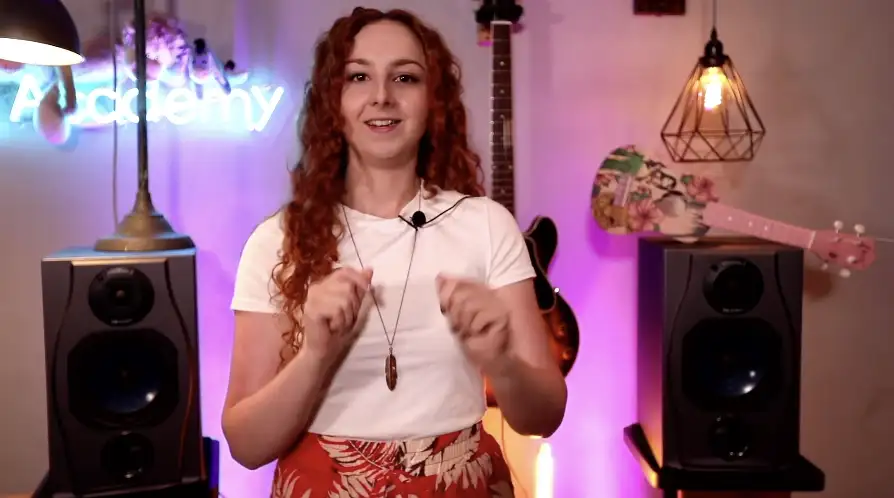
Reception children join familiar Future Stars Academy warm-ups (eg Learn: Pulse) but are also invited to suggest actions: which way to shake hands, how to “catch bubbles”, or how to clap fast and slow. Over time, you can ask a child to lead a section of the warm-up or choose the next movement.
-
2. Learn a musical idea – with recall
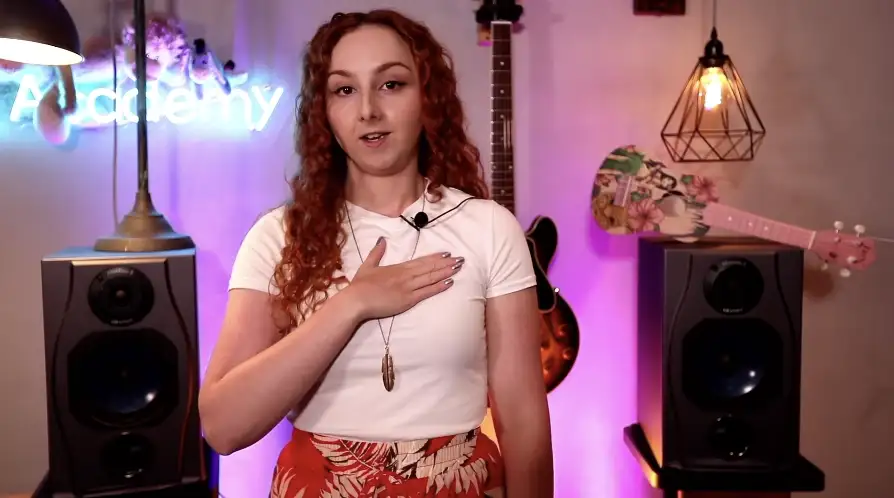
Learn clips revisit pulse, rhythm, pitch, dynamics, tempo, timbre, melodic shape, texture, song structure and genre. Before pressing play, you might ask: “What do you remember about pulse from last time?” or “How can we show ‘fast’ and ‘slow’ with our bodies?” After the clip, pupils are encouraged to demonstrate or explain the idea themselves rather than simply copying.
-
3. Hear the Difference: explain your choice
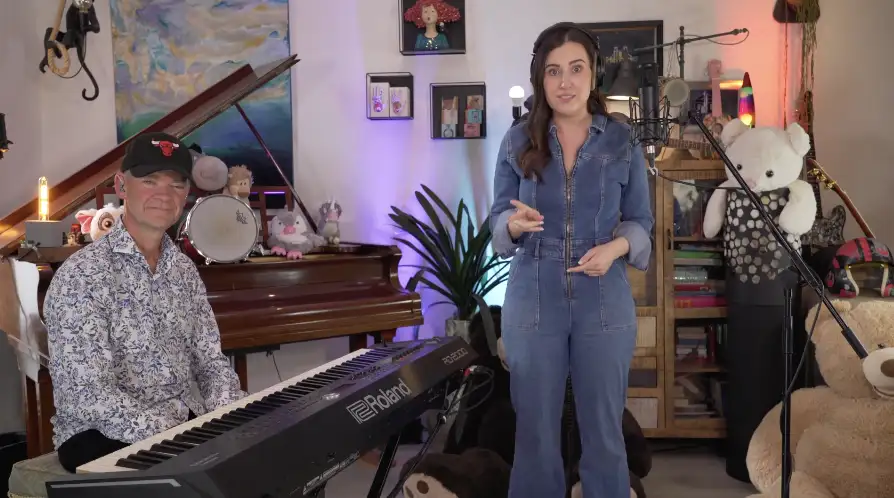
Hear the Difference games (eg Animals, Vehicles, Instruments, Weather) now include a stronger focus on reasoning. After children identify the missing sound, you can ask: “What helped you remember?” or “Was it higher or lower than the others?” This nudges children towards more precise language and aural memory skills.
-
4. Musical Detectives: richer discussion
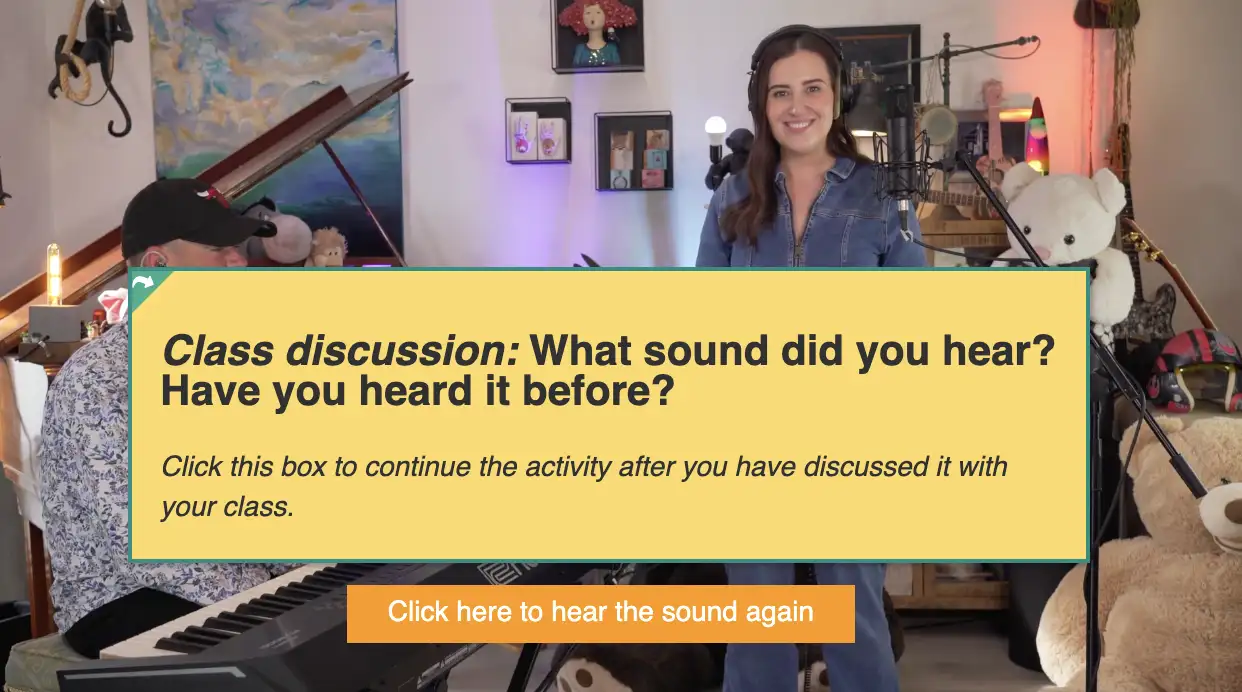
Musical Detectives activities (eg Bird Song, Bass Guitar, Rain and Thunder) again pause for talk time. In Reception, you can extend this by asking children to compare sounds (“Which one was loudest?” “Which one sounded smooth/scratchy?”) or to link sounds to stories (“Where might we hear that sound?”).
-
5. Song or rhyme – more ownership
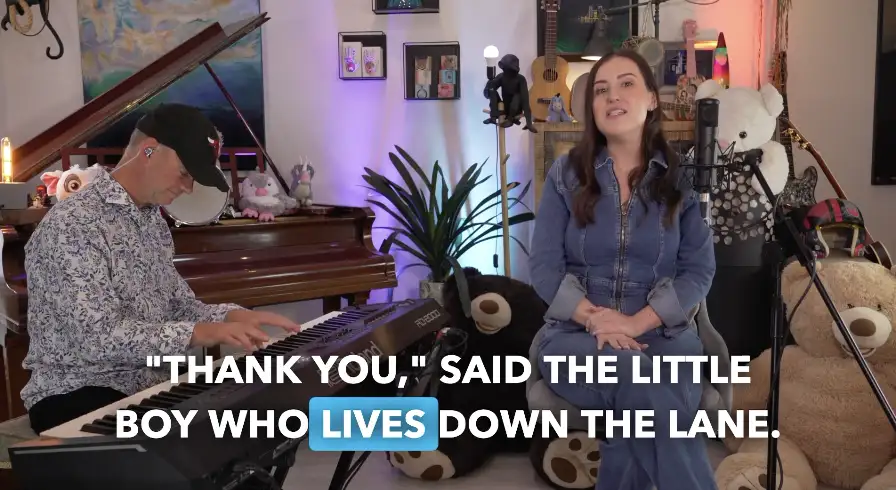
The same core songs are used as in Nursery — for example Baa Baa Little Sheep, London Bridge is Falling Down, Hickory Dickory Dock, Lavender Blue, Jack and Jill, This Old Man, Rain Rain Go Away, Row Row Row Your Boat, Mary Had A Little Lamb and Old Macdonald — but children are now asked to:
- Start the song or a verse without the adult.
- Decide on actions and teach them to the class.
- Notice when a section repeats (supported by Learn: Song Structure (Twinkle Twinkle)).
-
6. Optional extra – children choose
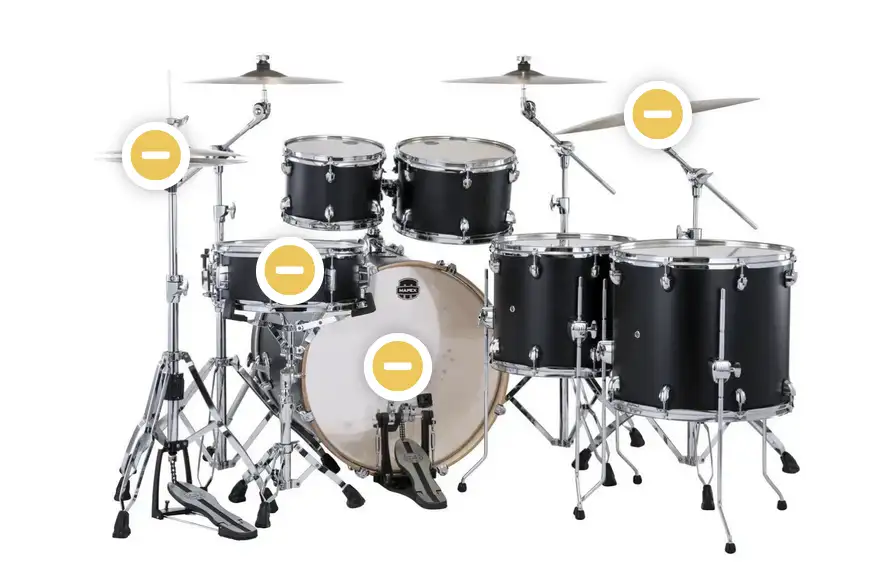
For the “extra” slot, you might offer a choice between Find the Words, Instrument Flashcards, Hotspots, Memory Games or a simple Workbook page. Reception pupils can vote or suggest which activity would match the music you’ve been exploring, giving them a greater sense of agency.
Skills developed across the 12 Reception sessions
Reception secures the same core skills as Nursery — but with higher expectations for independence, language and recall, ready for Key Stage 1.